


Engineering is widely regarded as one of the most academically demanding and professionally respected career paths and it plays a critical role in shaping modern society.
If you’re considering becoming an engineer you might be wondering if you need a degree to become an engineer.
At first glance, the answer appears straightforward. In the UK, most traditional engineering professions do require a university degree, often followed by professional accreditation. However, the term “engineer” is used across a wide range of roles, some of which are highly regulated and others that are not. In addition, alternative routes such as apprenticeships and technician-level roles can sometimes provide entry into engineering-related careers.
This article explains which engineering professions require a degree, why degree-level study remains essential in many disciplines, and where exceptions may apply. If you are considering engineering at university – particularly at leading institutions – understanding these distinctions early can help inform subject choices, career planning, and long-term progression.

Can You Become An Engineer Without A Degree?
A common question among prospective students is whether it is possible to become an engineer without completing a university degree. The short answer is: it depends on the type of engineering role.
In the UK, many core engineering professions are regulated or closely aligned with professional bodies. These roles typically involve high levels of technical responsibility, complex problem-solving, and public safety considerations. As a result, they require degree-level education in engineering or a closely related discipline.
However, there are also engineering-related roles that do not always require a degree at entry level. These may include technician positions, vocational roles, or careers where practical experience is prioritised. In some industries – particularly in technology – the title “engineer” may be used more loosely and does not always indicate a regulated profession.
It is also important to distinguish between entry into a role and long-term progression. While some individuals may begin their careers through advanced/higher level apprenticeships or vocational routes, progression into senior or chartered positions almost always requires degree-level qualifications. For students aiming for leadership roles, professional recognition, or international mobility, a degree remains the most reliable pathway.
Planning to apply for Engineering at Oxbridge?
Competition for these courses is intense, and strong academic ability must be matched with a well-prepared application.
UniAdmissions’ Oxbridge Engineering Full-Blue Programme provides personalised support across every stage of the process, including personal statement development, admissions test preparation, and interview training. With expert guidance, students are better equipped to approach the application process with confidence.
Engineering Professions That Require a Degree
Many engineering disciplines require a degree because of the level of technical knowledge, mathematical understanding, and professional responsibility involved. These roles are often aligned with professional institutions and may lead towards Chartered Engineer (CEng) status, which requires accredited academic qualifications. While many students follow a traditional university route, it is also possible to obtain an engineering degree through a degree apprenticeship. Regardless of the pathway, degree-level study is essential for progression within these professions.
Below are examples of engineering careers where a degree is typically considered essential.
Civil Engineer
Civil engineers are responsible for designing, constructing, and maintaining infrastructure such as roads, bridges, railways, water systems, and buildings. Their work directly affects public safety and long-term environmental sustainability, making academic training essential.
Civil engineering degrees typically cover advanced mathematics, structural analysis, materials science, geotechnics, and project management. In the UK, most civil engineers follow an accredited BEng or MEng programme aligned with the Institution of Civil Engineers (ICE).
Can You Become a Civil Engineer Without a Degree?
In practice, no. While apprenticeships and technician roles exist within the civil engineering sector, progression to the role of civil engineer – particularly on major infrastructure projects – requires degree-level qualifications. Professional recognition and chartered status also depend on completing an accredited engineering degree.
Mechanical Engineer
Mechanical engineers work across a wide range of industries, including energy, manufacturing, automotive, and aerospace. Their role involves designing and analysing mechanical systems, from engines and turbines to robotics and heating systems.
A mechanical engineering degree provides the theoretical foundation needed to understand forces, thermodynamics, materials, and fluid mechanics. These concepts are essential for ensuring systems operate efficiently, safely, and reliably. As a result, employers typically require a degree for professional mechanical engineering roles.
Electrical & Electronic Engineer
Electrical and electronic engineers design and maintain systems that generate, transmit, and control electrical power, as well as electronic devices and communication technologies. Their work underpins everything from national power grids to medical equipment and digital infrastructure.
Degree programmes in electrical and electronic engineering cover complex topics such as circuit theory, control systems, signal processing, and electromagnetism. Given the technical precision and safety considerations involved, a degree is considered a fundamental requirement for this profession.
Aerospace Engineer
Aerospace engineers design, test, and maintain aircraft, spacecraft, satellites, and related systems. The margin for error in this field is extremely small, and engineers must work within strict regulatory frameworks.
Degree-level study is essential to develop the advanced mathematical modelling, aerodynamics knowledge, and systems engineering skills required in aerospace. Employers in this sector typically expect candidates to hold accredited engineering degrees, often at master’s level.
Chemical Engineer
Chemical engineers apply principles of chemistry, physics, and mathematics to design industrial processes that transform raw materials into useful products. They work in sectors such as pharmaceuticals, energy, food production, and materials manufacturing.
The role requires a deep understanding of chemical reactions, process design, and safety systems. Chemical engineering degrees are therefore highly specialised and academically demanding, making university study essential for entry into the profession.
Biomedical Engineer
Biomedical engineers combine engineering principles with medical and biological sciences to develop healthcare technologies such as prosthetics, diagnostic equipment, and medical imaging systems.
This interdisciplinary role requires a strong academic foundation in engineering, alongside an understanding of human biology and clinical environments. A university degree is therefore essential, both to ensure technical competence and to meet regulatory and ethical standards within healthcare settings.
Engineering Roles With Alternative Routes
While most traditional engineering professions require a degree, there are also roles within the engineering sector that offer alternative entry routes, particularly through apprenticeships or vocational training. These roles often focus on practical skills, operational support, and hands-on technical work.
It is important to note, however, that these positions are generally distinct from professional engineering roles. Although they can provide valuable experience and a pathway into the industry, long-term progression may be more limited without degree-level qualifications. Many individuals working in these roles later choose to pursue a degree to broaden their responsibilities and career prospects.
Below are examples of engineering-related roles where a degree is not always required at entry level.
Engineering Technician
Engineering technicians support engineers by assisting with the development, testing, installation, and maintenance of systems and equipment. They work across sectors such as manufacturing, construction, energy, and transport.
Entry into this role is often possible through apprenticeships, college-based qualifications, or vocational training. However, technicians who wish to progress into professional engineering roles typically need to complete further study, including an accredited engineering degree.
Maintenance Engineer
Maintenance engineers are responsible for ensuring that machinery, equipment, and systems operate efficiently and safely. Their work is particularly important in manufacturing plants, factories, and industrial environments.
While some maintenance engineering roles can be accessed through apprenticeships and practical training, the scope of responsibilities may be more limited than in degree-level engineering positions. Progression into senior engineering or design-focused roles usually requires additional academic qualifications.
CAD Technician
CAD technicians use computer-aided design software to produce technical drawings and plans that support engineering projects. They work closely with engineers in industries such as construction, manufacturing, and product design.
This role often prioritises technical proficiency and software skills, meaning that vocational routes and apprenticeships are common entry pathways. However, CAD technicians who wish to take on greater design responsibility or move into engineering roles typically benefit from degree-level study.
Manufacturing Technician
Manufacturing technicians support production processes by setting up equipment, monitoring quality, and ensuring systems operate efficiently. Their role is largely practical and operational.
Although entry-level positions may not require a degree, advancement into process engineering, production engineering, or management roles generally requires further education and formal engineering qualifications.
Access "The Big Book Of Oxbridge Applications" For FREE
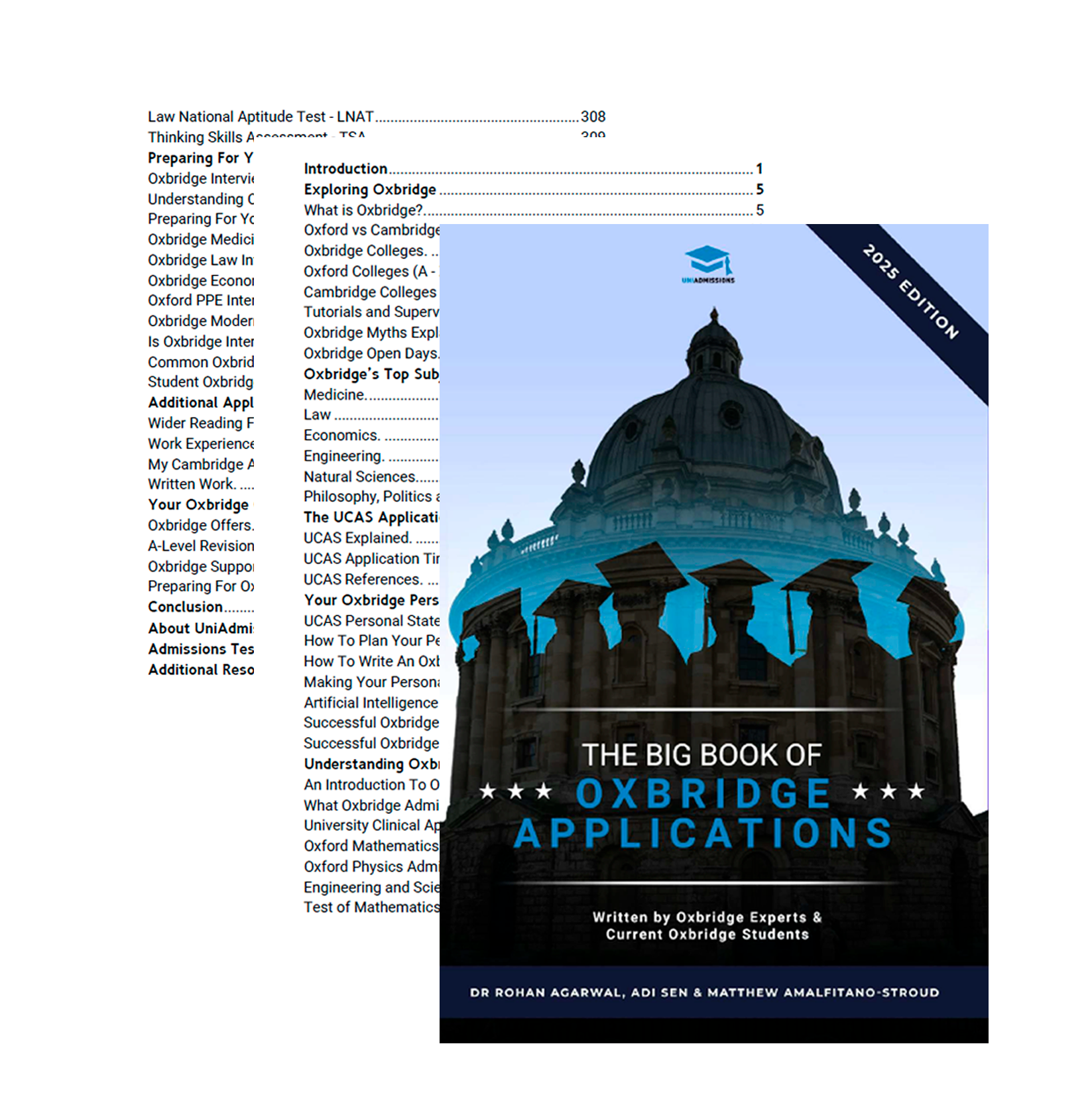
- Over 40 admissions test practice questions
- 28 example Oxbridge Personal Statements
- Interviews with Oxbridge students and graduates
- Additional downloadable resources
Can You Become a Software Engineer Without a Degree?
Software engineering differs from traditional engineering disciplines in several important ways. In the UK, the title “software engineer” is not a protected or regulated designation, meaning that it does not carry the same formal requirements as professions such as civil or mechanical engineering.
As a result, it is possible to enter software engineering without a degree, particularly through self-directed learning, coding bootcamps, or industry experience. Some employers prioritise practical skills, portfolios, and technical assessments over formal qualifications.
However, this does not mean that a degree lacks value. Many leading technology firms still prefer candidates with degrees in computer science, software engineering, or related subjects, particularly for more complex or senior roles. Degree-level study provides a strong foundation in algorithms, data structures, systems design, and computational thinking, all of which support long-term progression. It is also worth noting that software engineering and related degrees are often associated with strong graduate earning potential, as explored in our guide to the highest-paying degrees in the UK.
For students considering software engineering alongside traditional engineering disciplines, it is important to recognise that expectations and career pathways can vary significantly between sectors.
Considering Engineering at Oxbridge or other Russell Group universities?
Admission to these programmes is highly competitive, and successful applicants demonstrate both academic excellence and strong application technique.
UniAdmissions supports students throughout the process, from developing a compelling personal statement to preparing for admissions tests and interviews. Our Oxbridge Engineering Full-Blue Programme offers tailored guidance designed to help you present your strengths with clarity and confidence.
Why Engineering Degrees Still Matter?
Even where alternative routes exist, engineering degrees continue to play a central role in career development. Degree-level study provides more than technical knowledge; it develops analytical thinking, problem-solving skills, and a deep understanding of underlying principles.
For many disciplines, a degree is also essential for:
- Professional accreditation and chartered status
- Career progression into senior or leadership roles
- International recognition and mobility
- Access to highly competitive graduate roles
At leading institutions such as Oxford and Cambridge, engineering degrees follow a distinctive approach that combines advanced theoretical study with practical application. The Oxbridge pathway emphasises rigorous mathematics, physics, and design principles, while encouraging students to engage in research projects, laboratory work, and problem-solving exercises that reflect real-world engineering challenges. Admission to these programmes is highly competitive, requiring strong academic foundations in subjects such as Mathematics, Further Mathematics, and Physics. Graduates from these courses are exceptionally well-prepared for professional engineering roles, chartered status, and positions in research, innovation, or leadership across a wide range of industries.
Strong academic preparation at school level is also important. Students considering engineering at top universities should plan subject choices carefully to ensure they meet entry requirements and are equipped to succeed in demanding degree programmes. Ultimately, whether through traditional university study or accredited degree apprenticeships, obtaining a degree remains the most reliable pathway to professional, regulated, and high-impact engineering careers.
Conclusion: Choosing The Right Engineering Path Early
While most traditional engineering professions require a degree, particularly those linked to regulation and public safety, alternative routes may exist for certain roles and industries.
Understanding these distinctions early can help you make informed decisions about subject choices, qualifications, and career planning. For those aiming to work as professional engineers, particularly within regulated disciplines, degree-level study remains essential.
If you are considering studying engineering at Oxbridge or other Russell Group universities, competition for admission is intense, and effective preparation is essential. UniAdmissions’ Oxbridge Engineering Preparation Programme provides tailored one-to-one tutoring and access to expertly designed resources, supporting all aspects of the application – from personal statements to interviews. Students who engage with the programme benefit from guidance that can significantly improve their chances of success. You can book a free consultation with one of our advisors to explore how this programme could support your application.
Ready to take your next step in engineering?
For students aiming for Engineering at Oxbridge or leading Russell Group universities, UniAdmissions offers expert, one-to-one guidance designed to support every stage of the application process. From refining academic focus to mastering interviews, our Oxbridge Engineering Full-Blue Programme helps students approach competitive admissions with clarity and confidence.


